Rasa Tabula Singapura
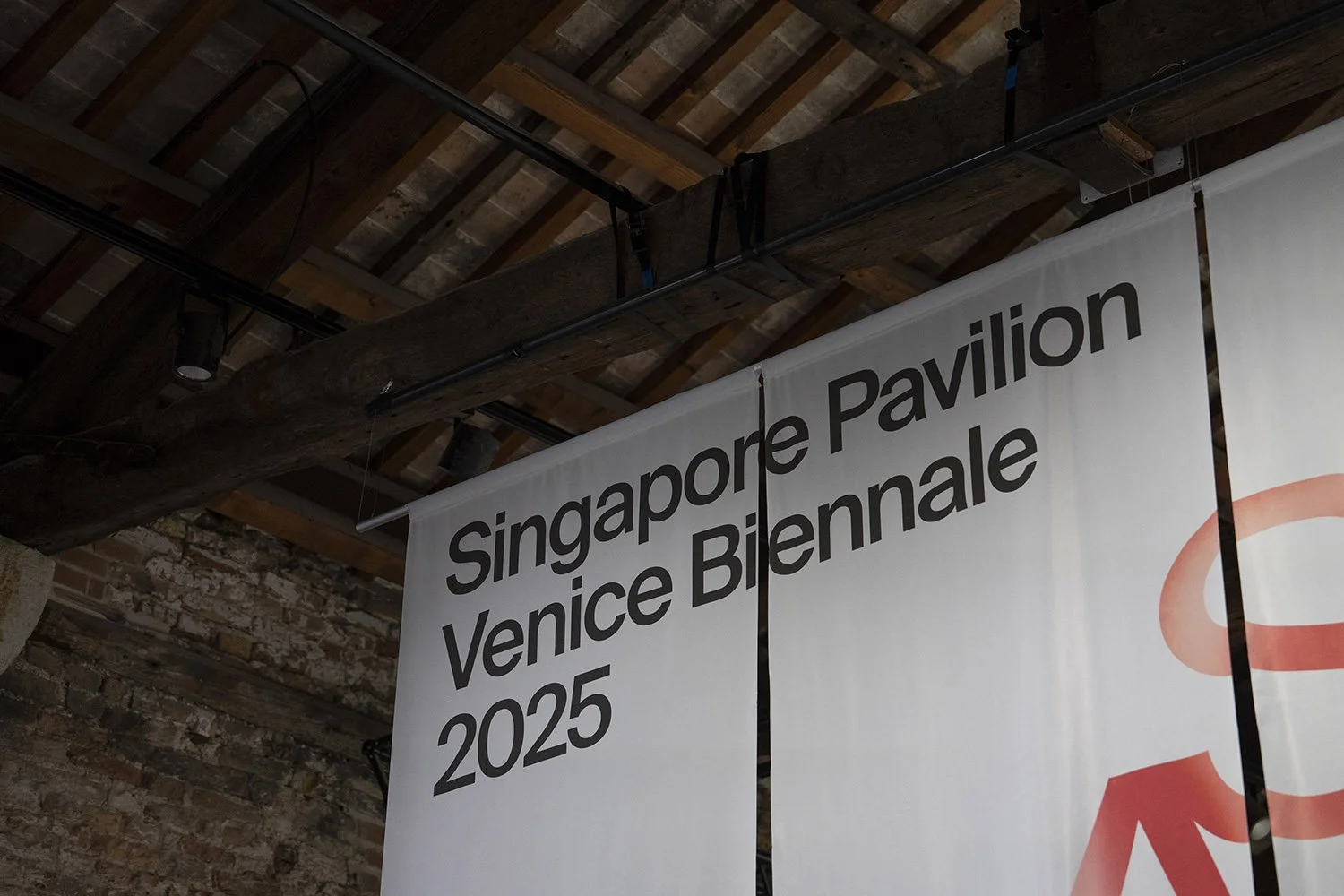
Singapore Pavilion Venice Biennale 2025
-
Exhibit Design
Status In progress
Location Venice/Singapore
-
In collaboration with Singapore University of Technology and Design (SUTD)
Curatorial Team Tai Lee Siang, Khoo Peng Beng, Erwin Viray, Jason Lim, Sam Joyce and Immanuel Koh
Interaction Design Tinkertanker
Fabrication Subjekt Matter
Neural Monobloc Black Immanuel Koh | artificial-architecture
Neural Palate Kueh Immanuel Koh | artificial-architecture
Graphics Practice Theory
Clients URA and Design Singapore
Photography Giorgio Scirato Photography
-
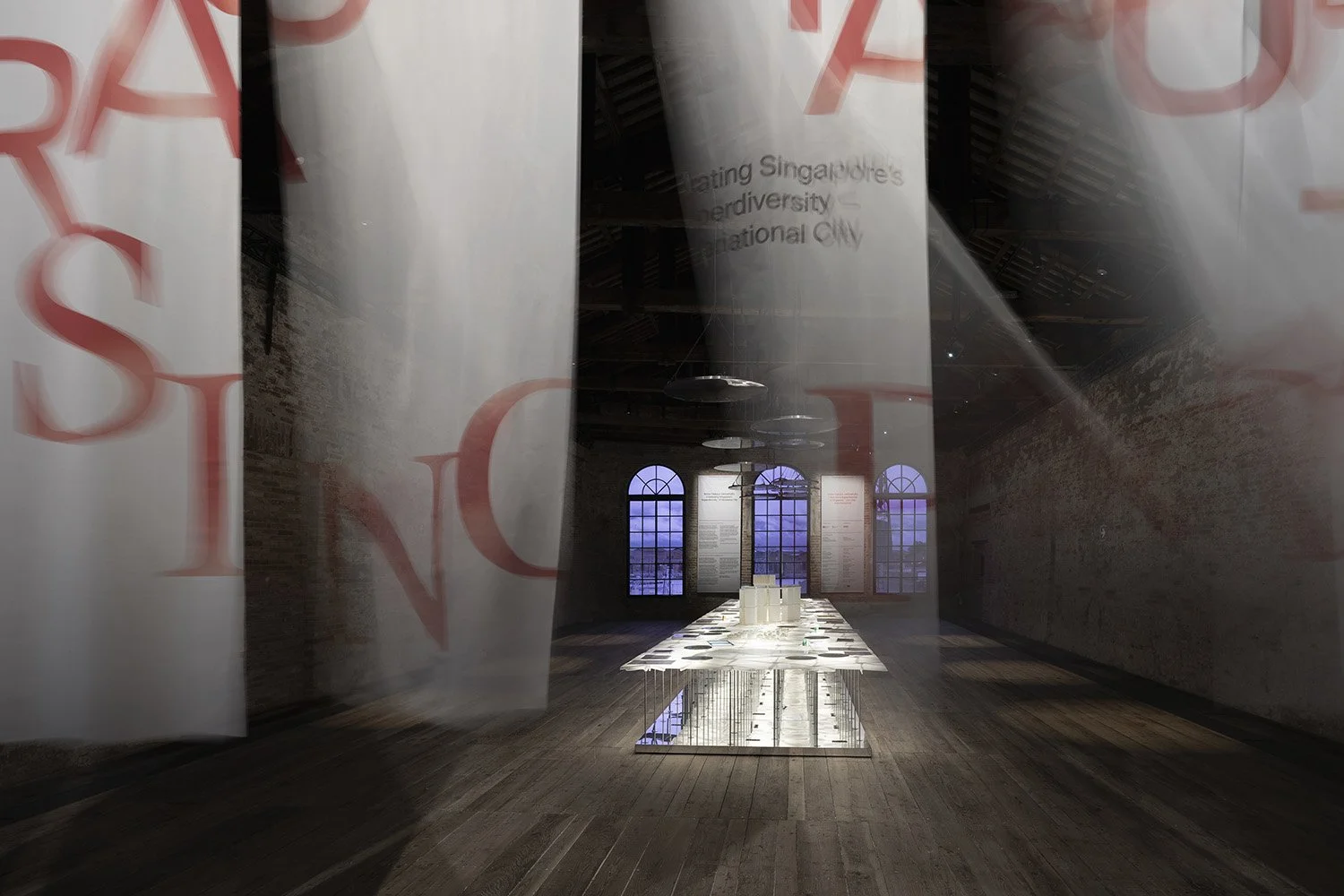
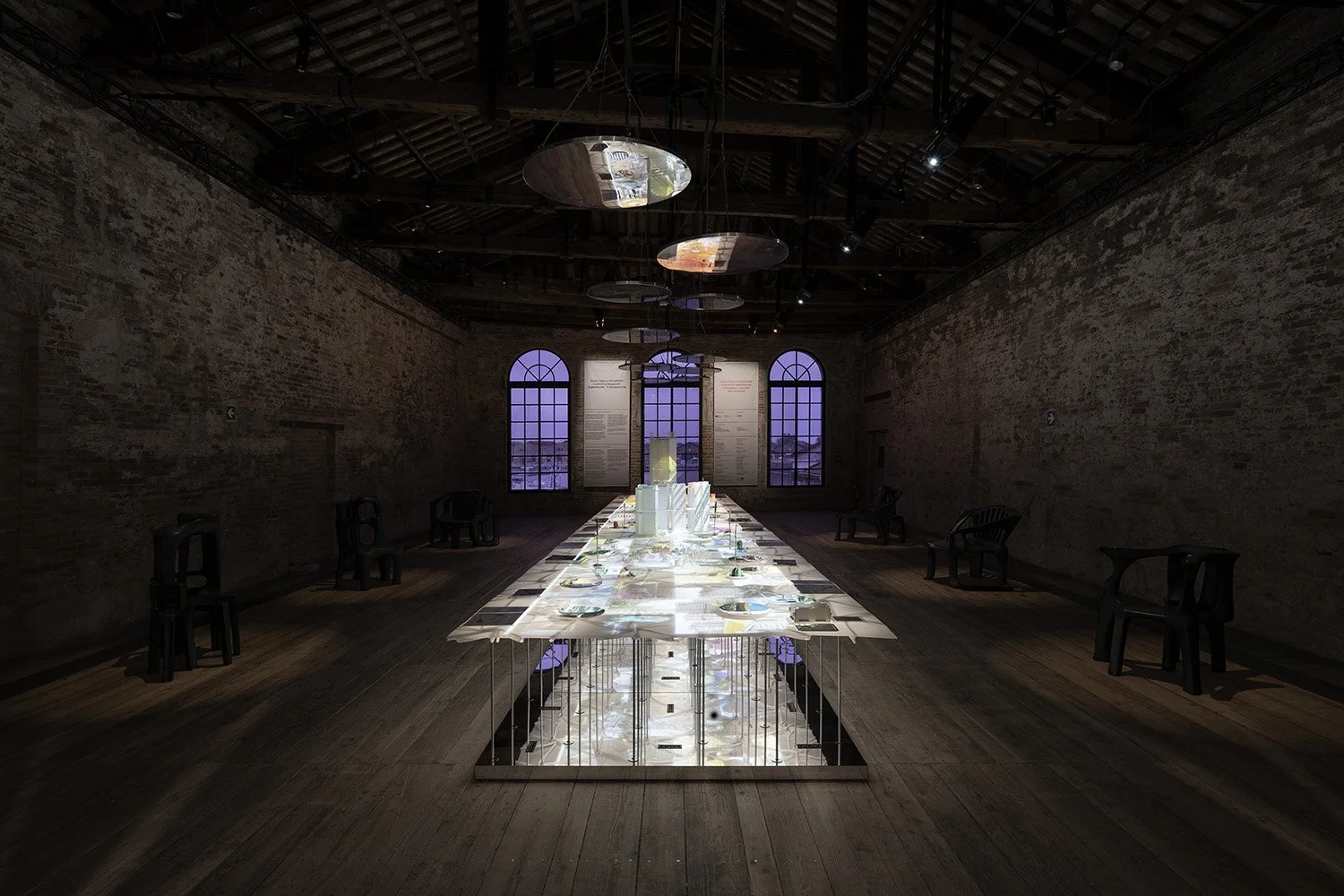
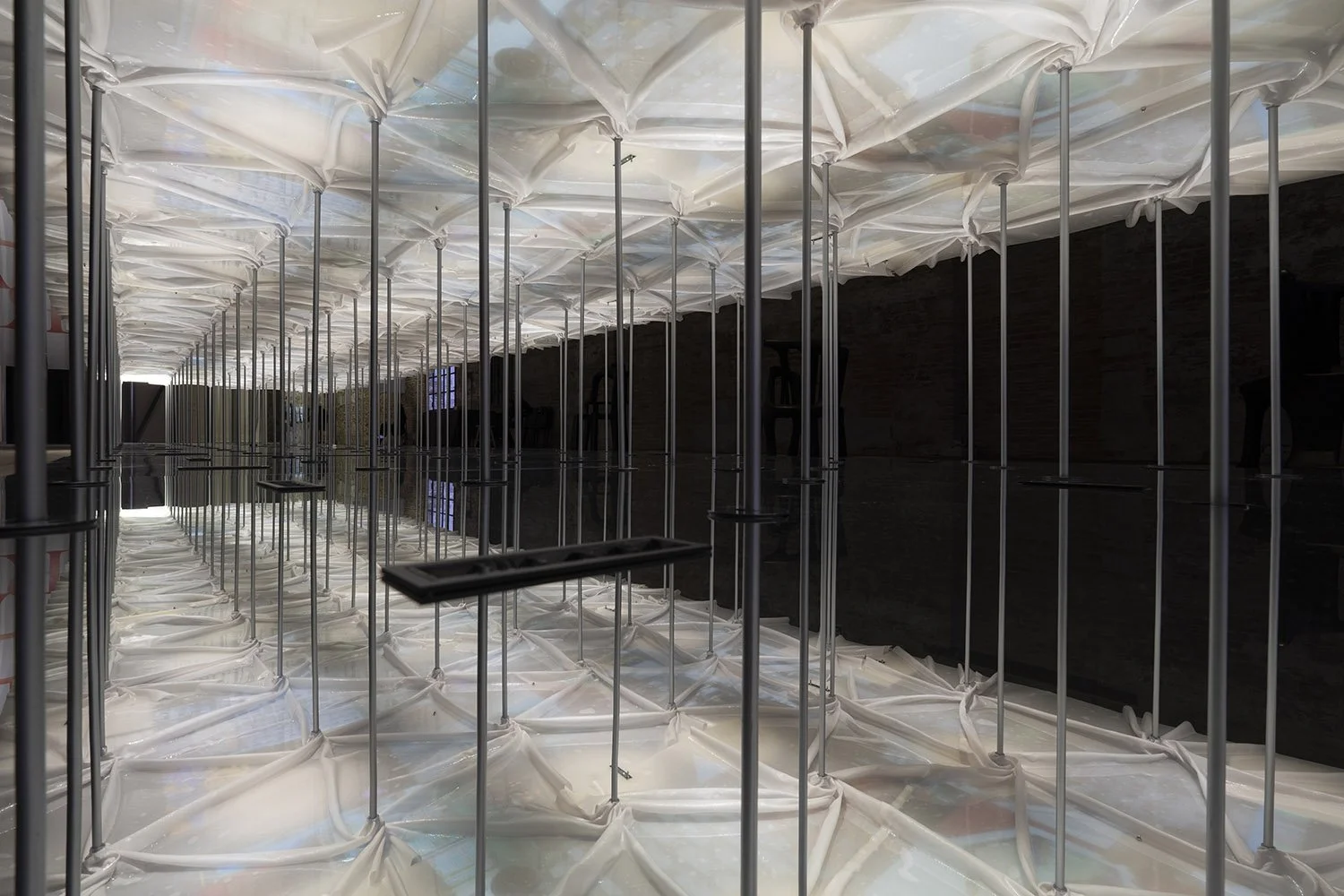
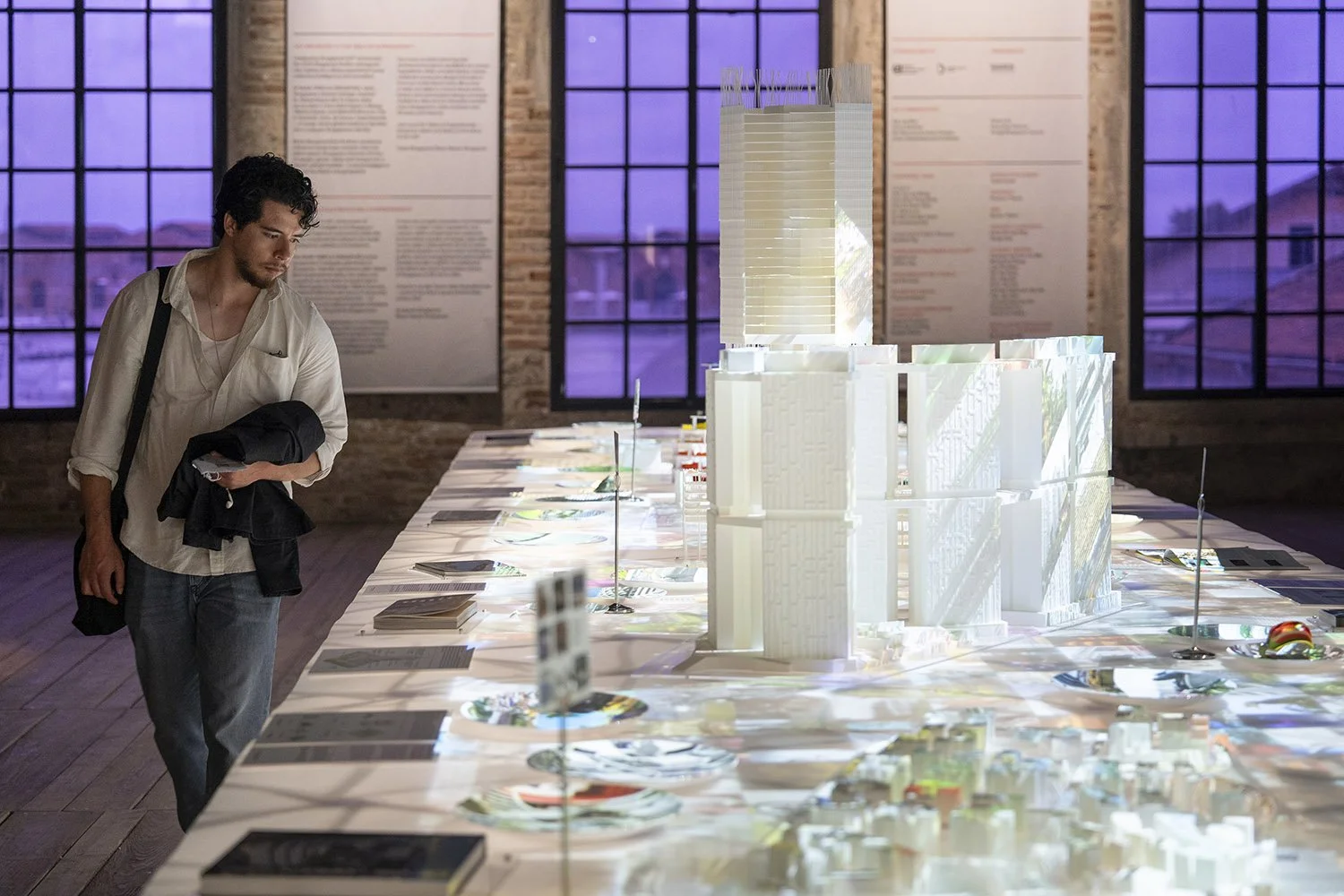
Rasa Tabula Singapura casts Singapore as a tasting table of layered urban diversity. Anchored by a 12-metre ethereal “table-cloth” transformed into a structural surface through computational and material experimentation, the exhibition acts as a cartogram of the city, hosting models and responsive projections that frame urban planning as a continual process of revisiting, balancing and inventing new flavours.
-
Rasa Tabula Singapura, the Singapore Pavilion for the 2025 Venice Biennale began with a play on words. Combining Rasa (Malay: taste) Tabula (Latin: table) Singapura (Sanskrit), it inverts Rem Koolhaas’s description of Singapore as tabula rasa. Instead of a blank slate, the city is recast as a tasting table, whose layered diversity is continually uncovered and recomposed.
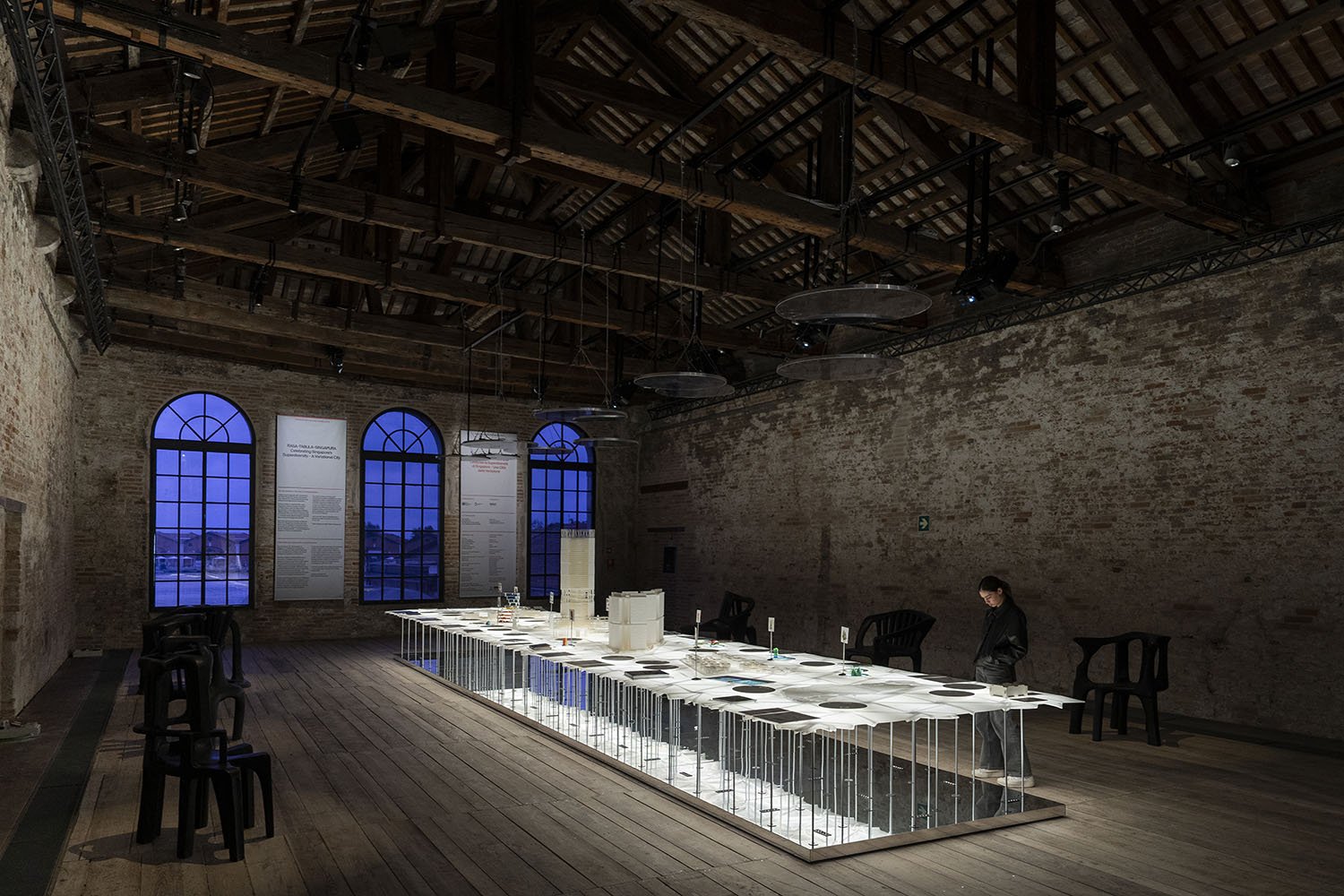
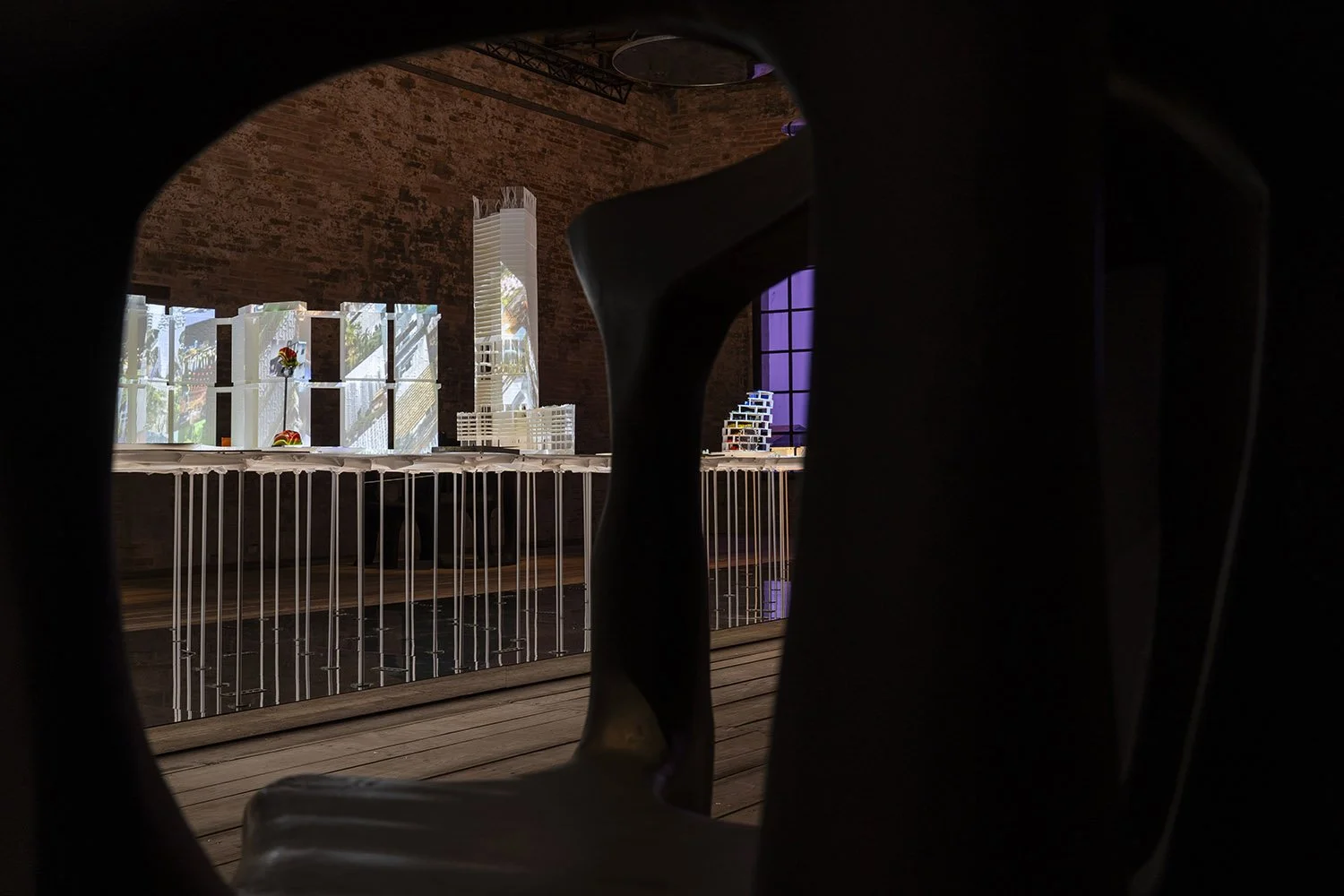
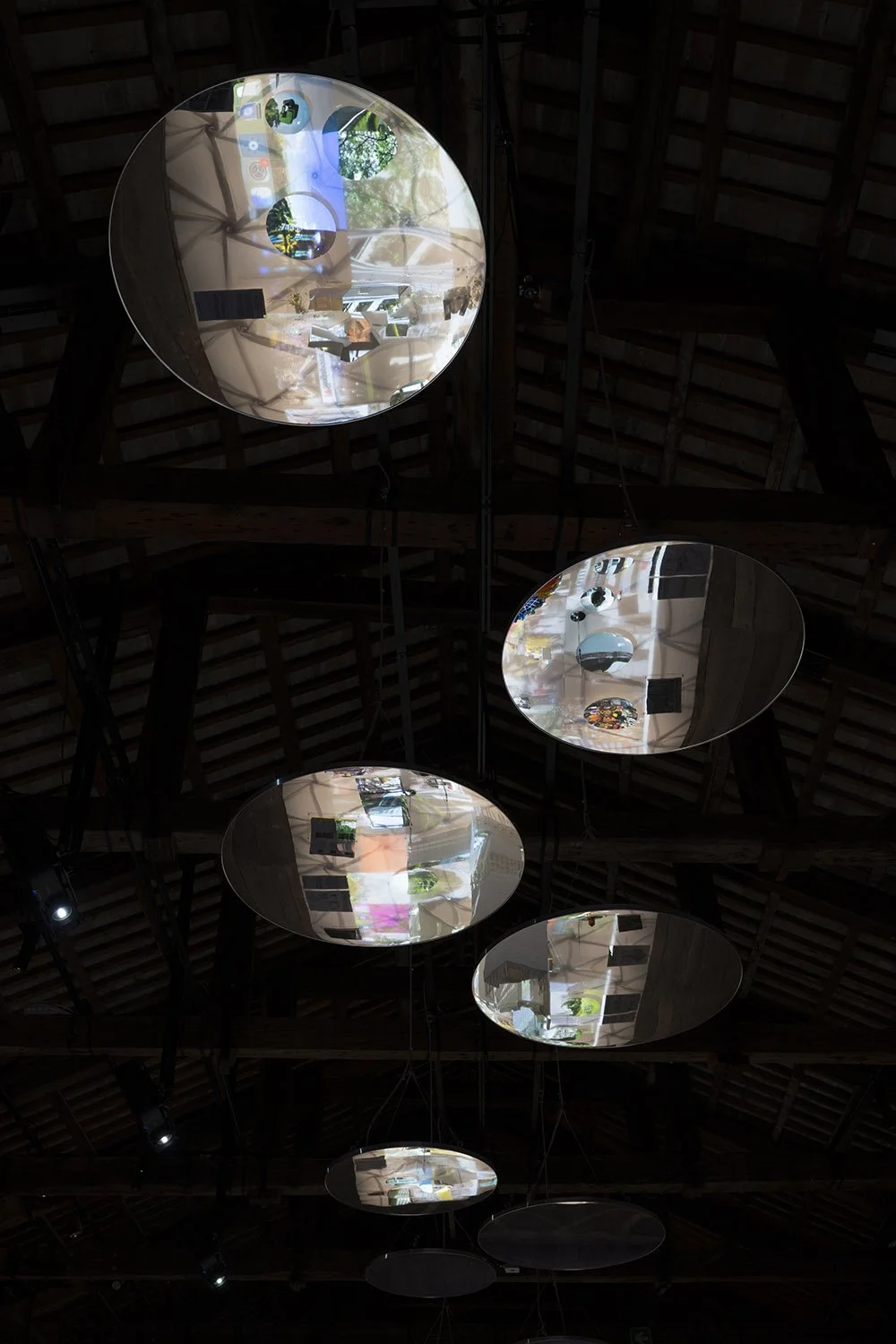
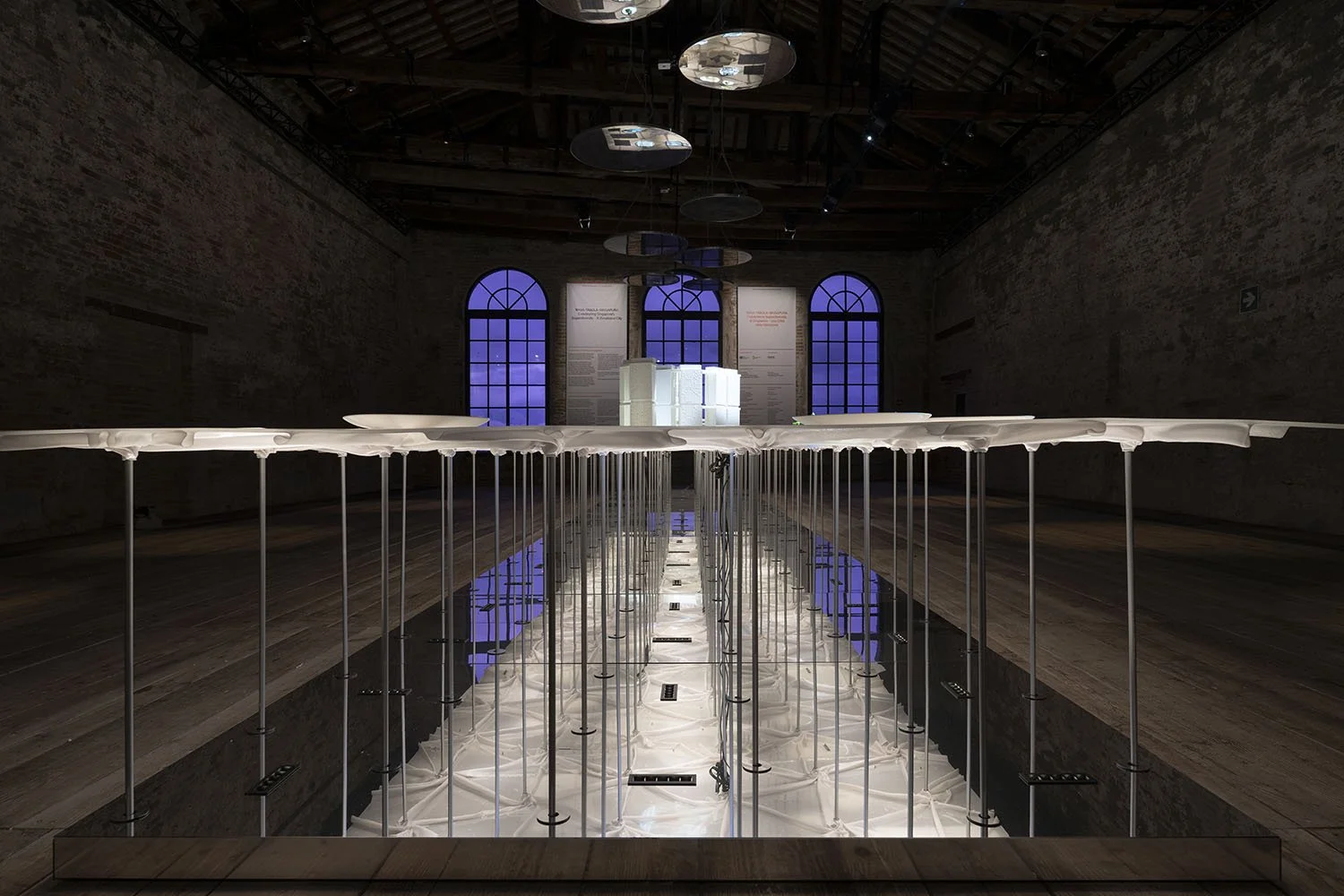
Set within the darkened hall of the Sale d’Armi at the Arsenale, the exhibit stages a dining scene distilled to a table, six chairs and a chandelier. The materiality, form and behaviour of these familiar elements are manipulated to produce an unfamiliar spatial experience.
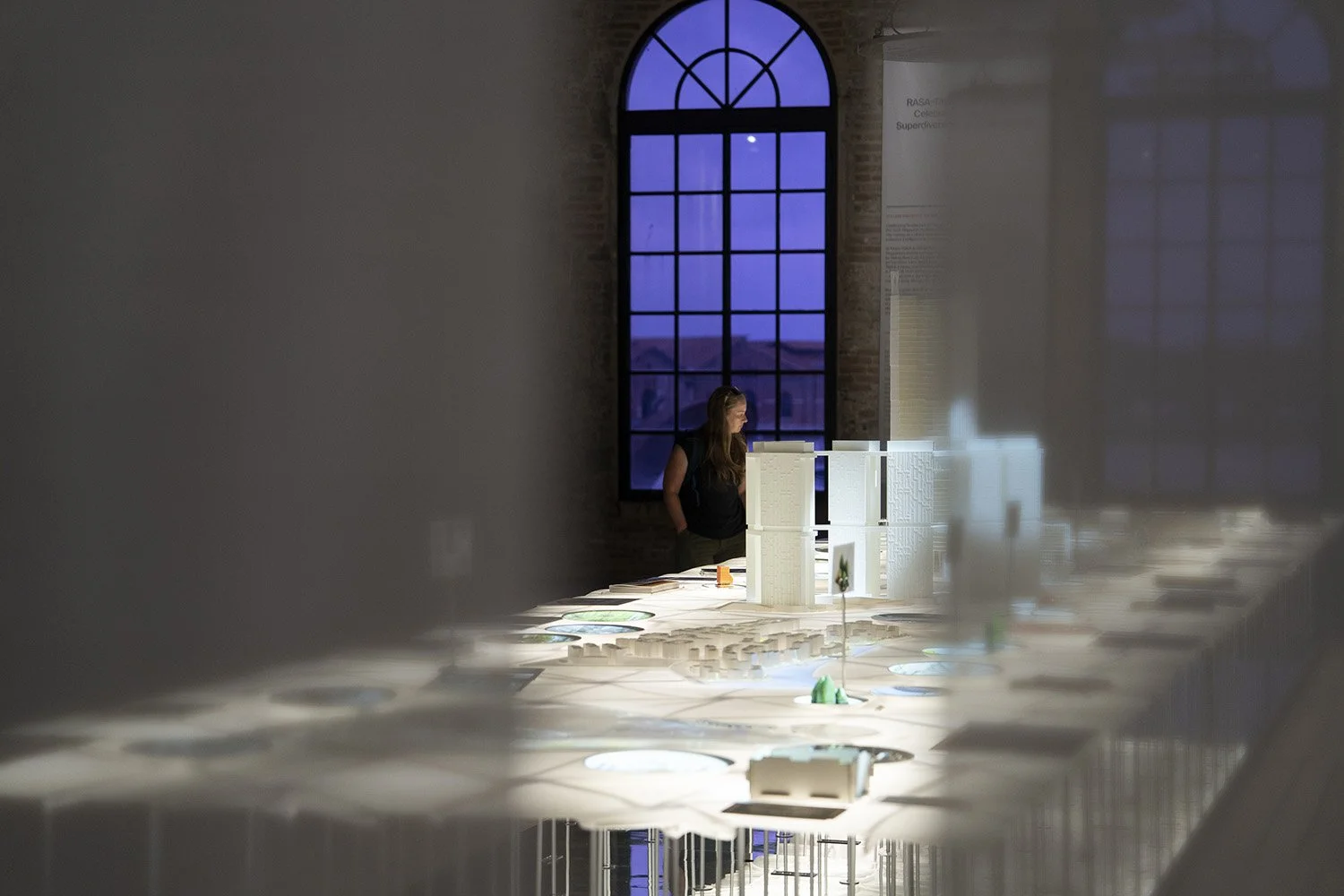
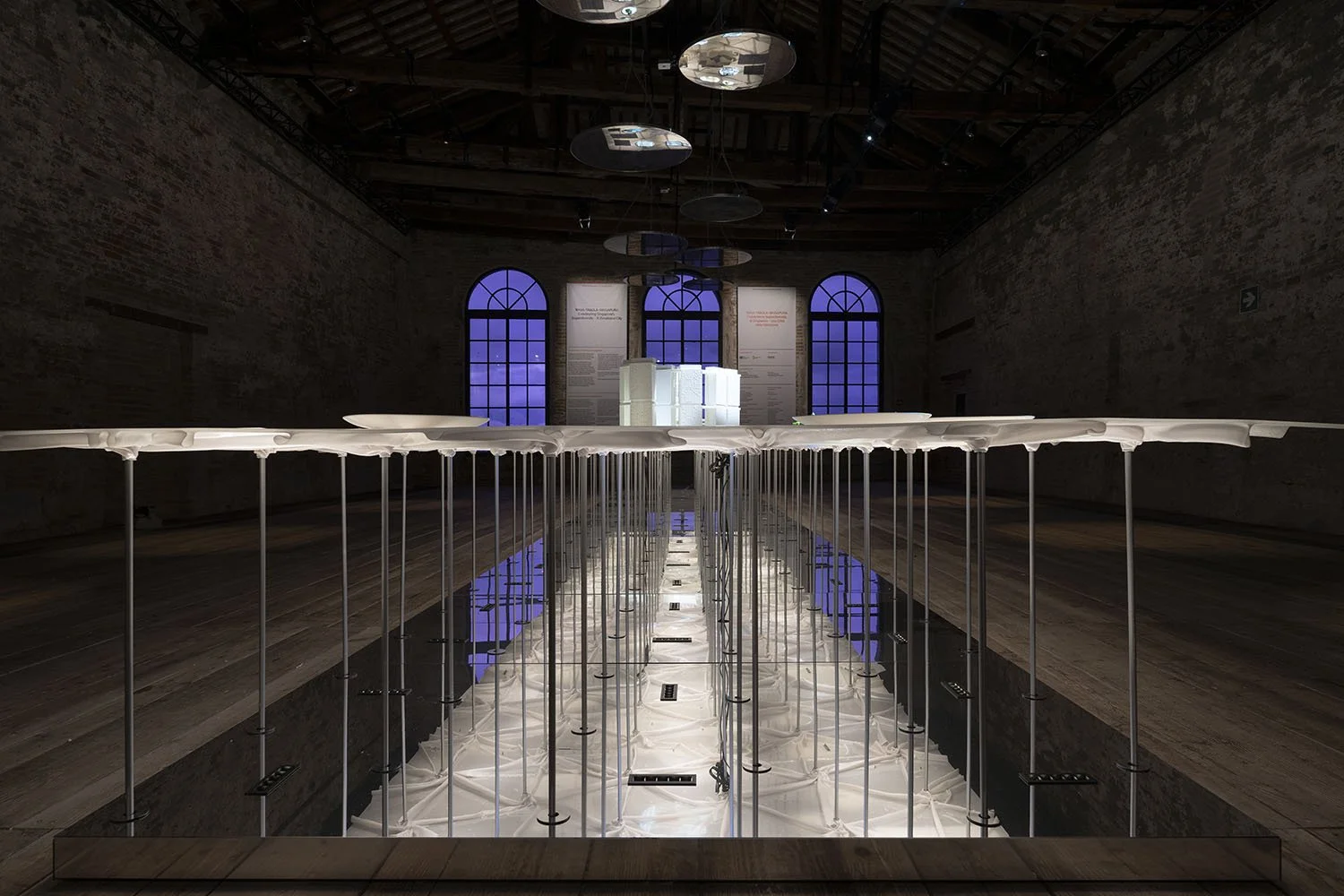
Anchoring the space is 12 x 2.4 metre table whose ethereality appears at odds with its size. Using physical and computational form-finding techniques inspired by the material experiments of Frei Otto and Heinx Isler, we transformed a standard piece of cloth into a complex structural manifold. Wrinkles emerge from the cloth’s initially flat geometry and once set in resin, efficiently direct force paths toward support points. This 6mm-thick translucent ‘table-cloth’ supports the free placement of objects across its span, while admitting light and capturing projections. Its structural performance and visual expression are achieved through ingenious material economy.
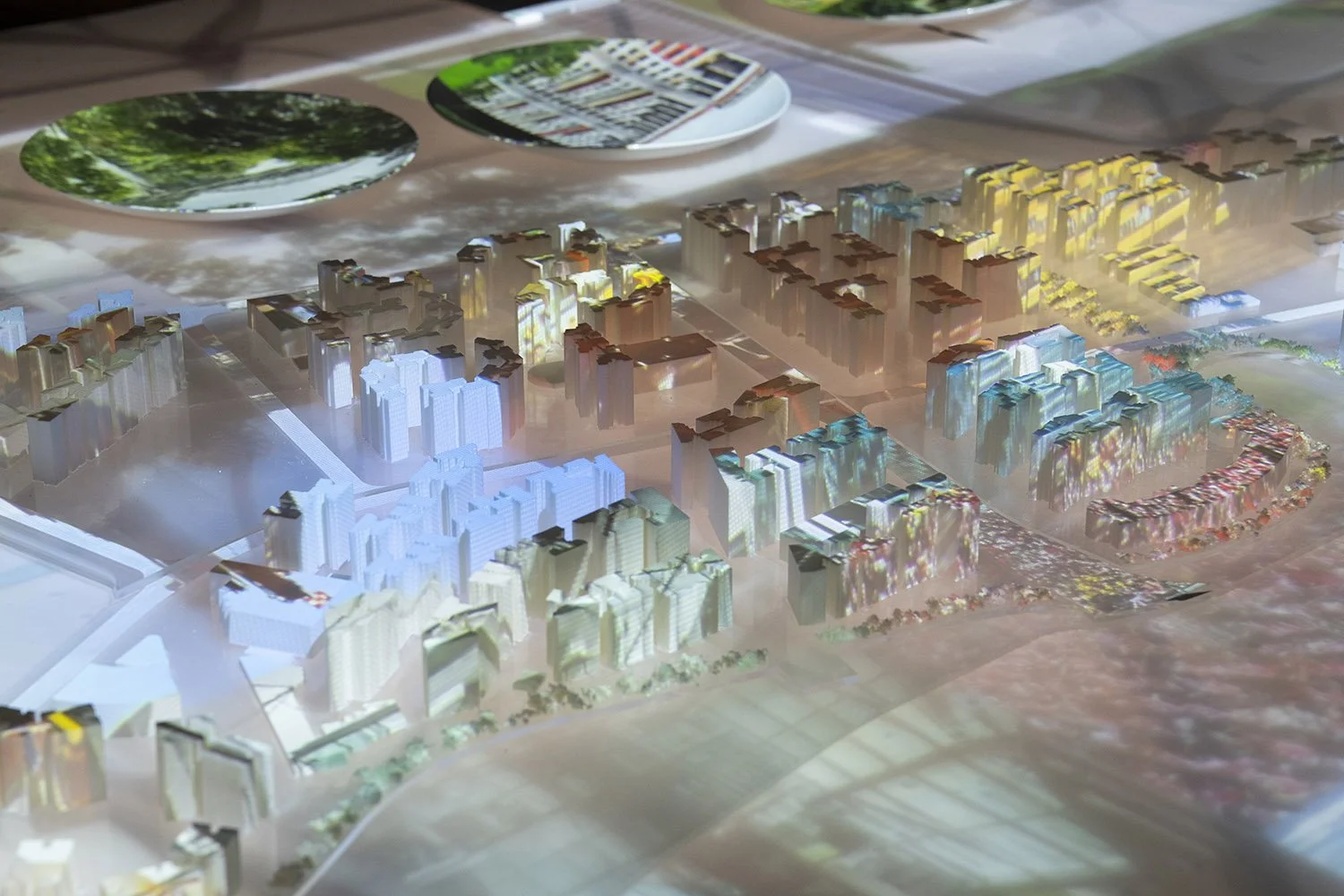
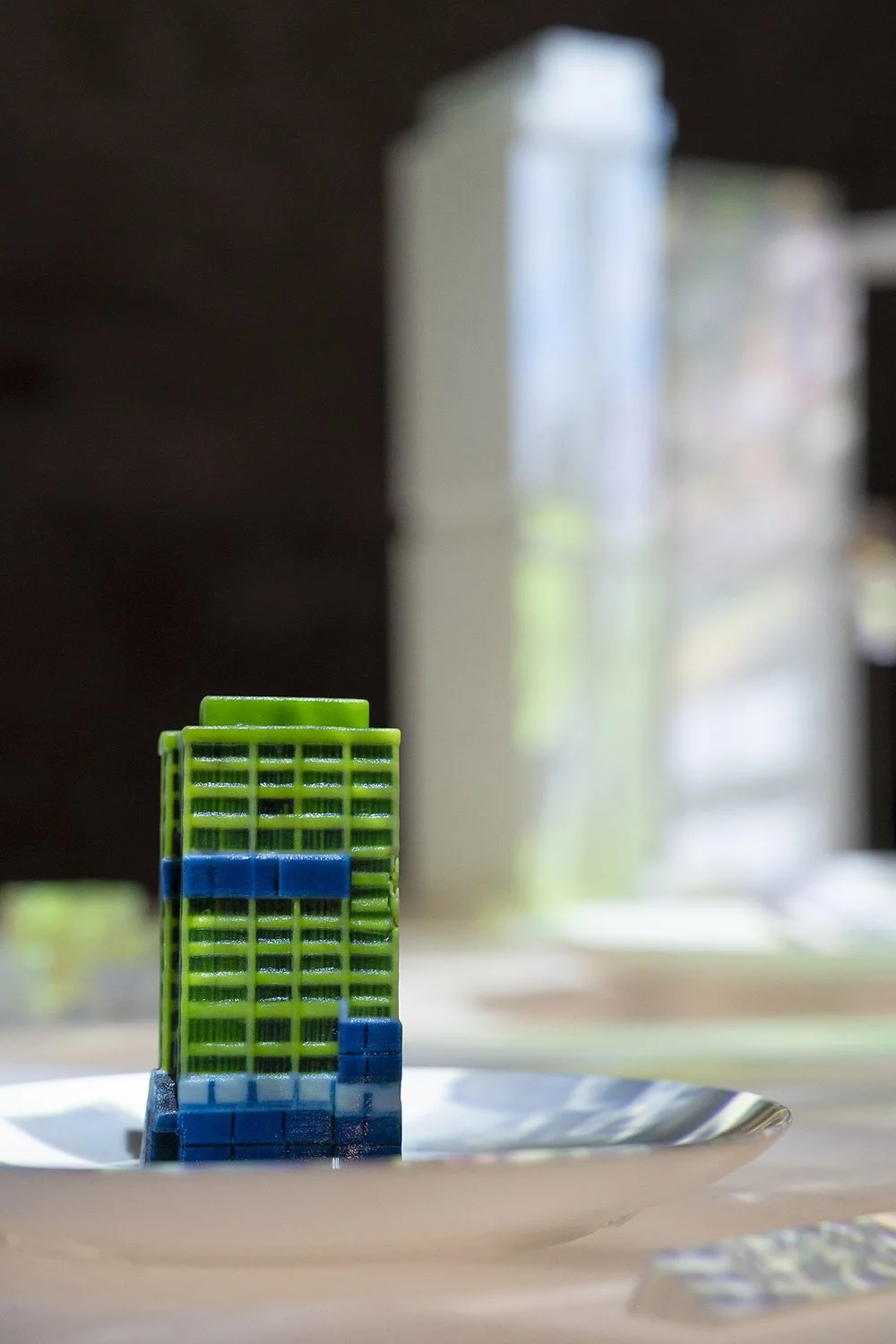
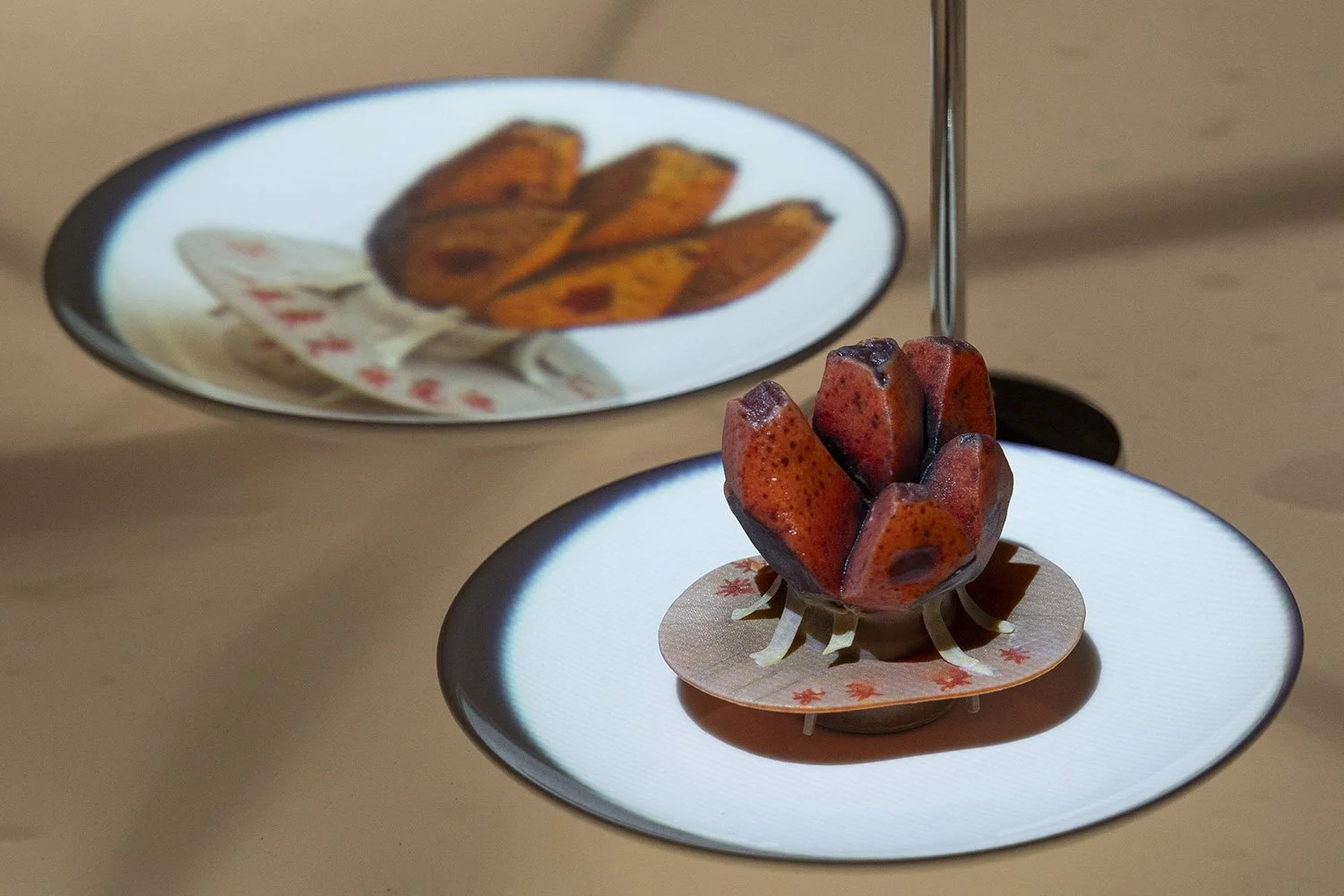
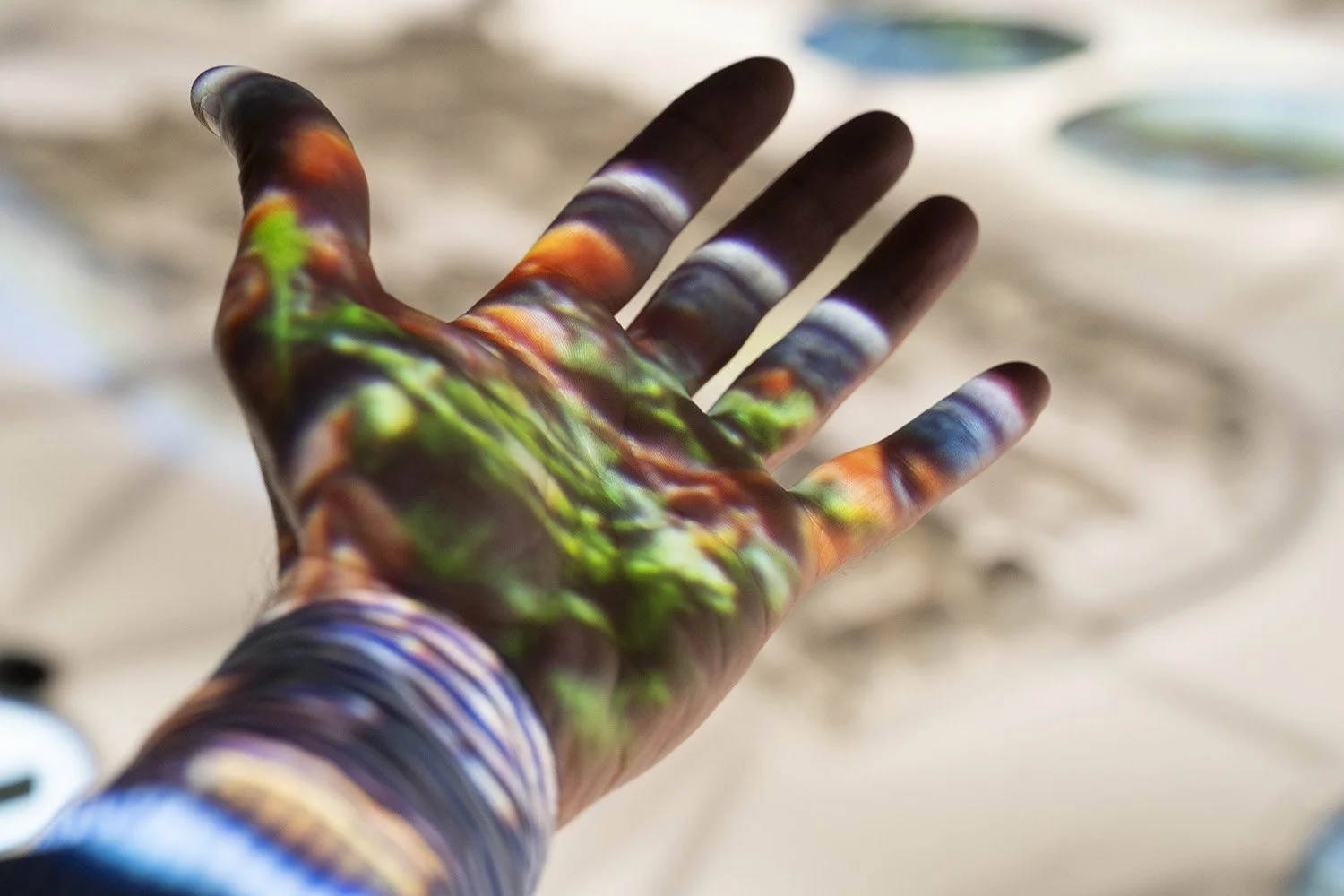
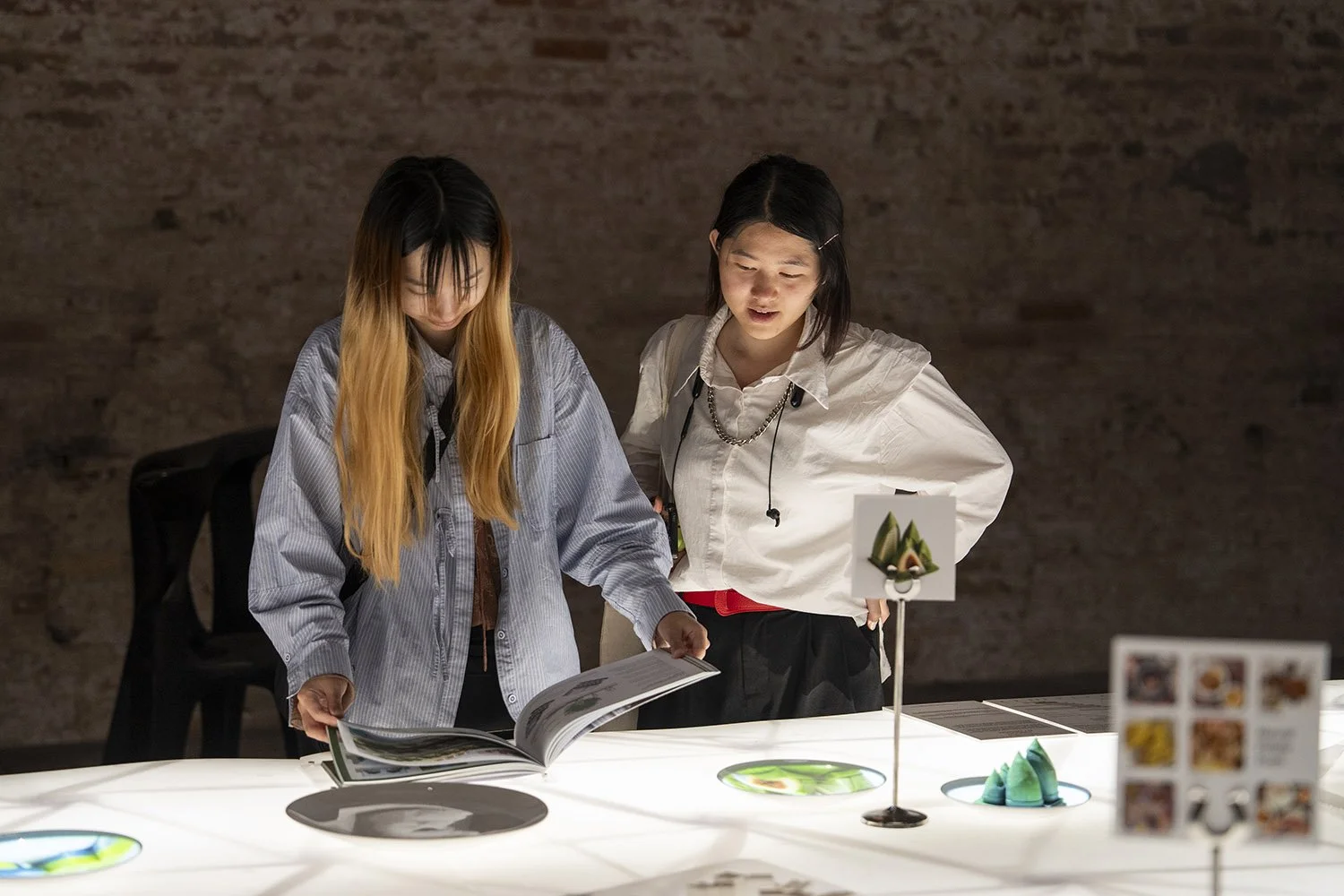
The table acts as a reconfigured cartogram of Singapore, indexing ‘main courses’ and ‘side dishes’—composed of models, artefacts and projected content—to specific geographic locations. It serves as a persistent substrate for an ongoing urban discourse. Embedded sensors, responsive lighting and machine-vision systems transform the installation into an interactive environment that registers and responds to visitors.
By presenting Singapore as a tasting table with an evolving menu, the Pavilion suggests that planning the city is a continual act of revisiting, balancing and inventing new urban flavours.